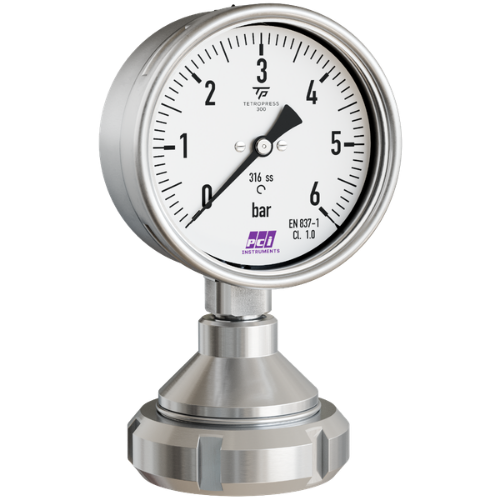
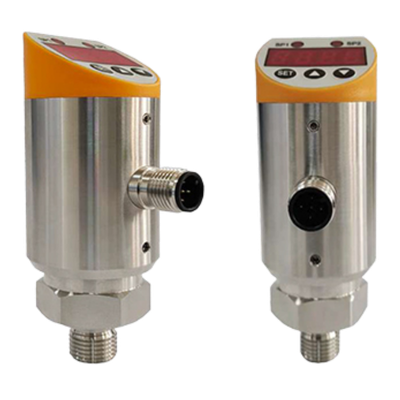
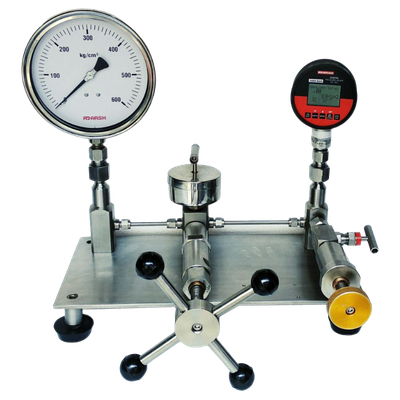
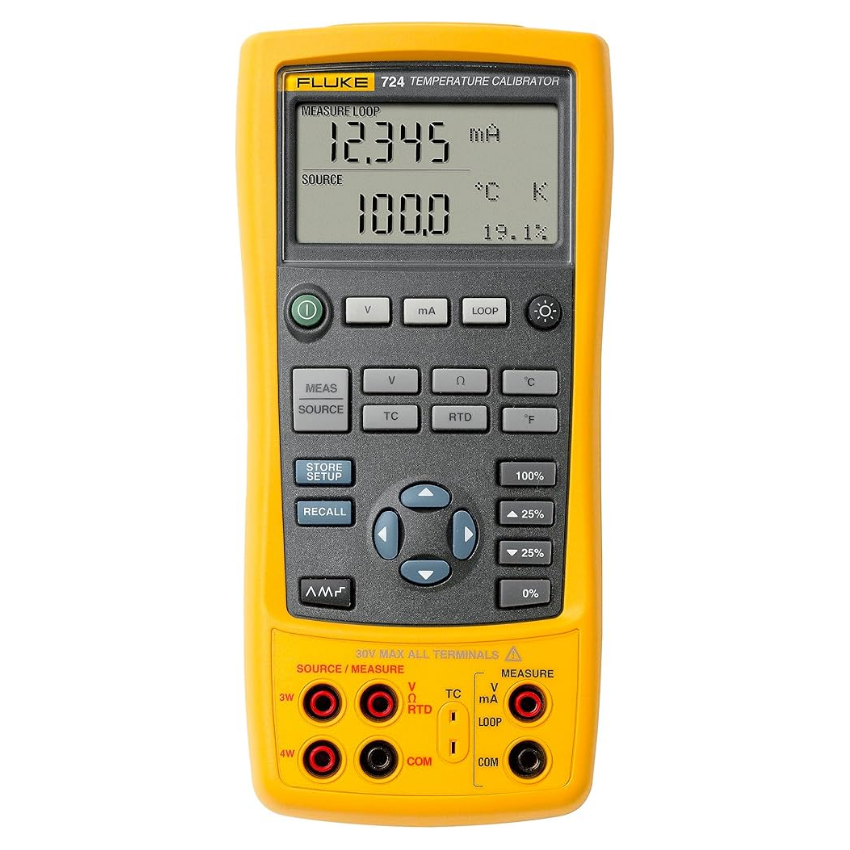
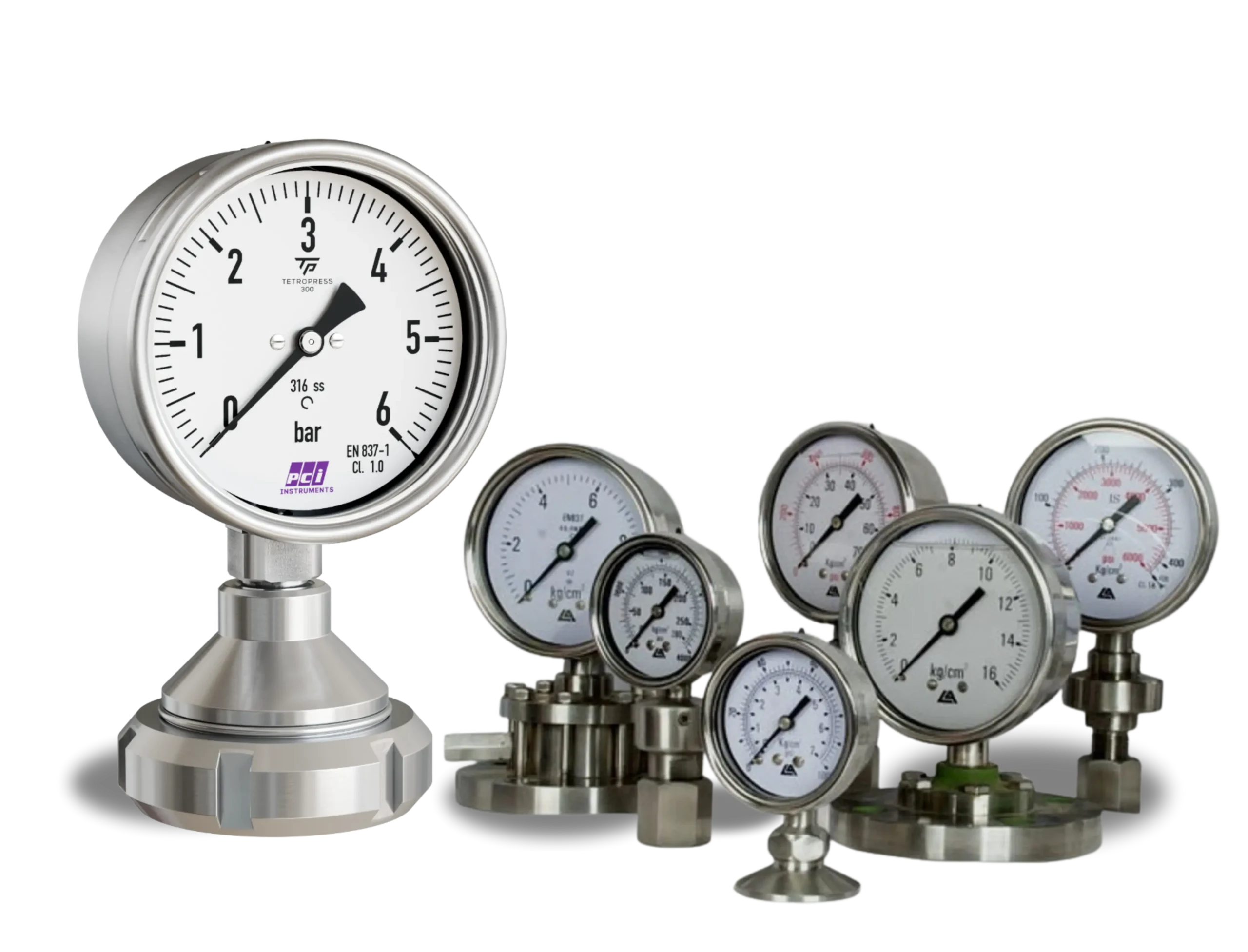
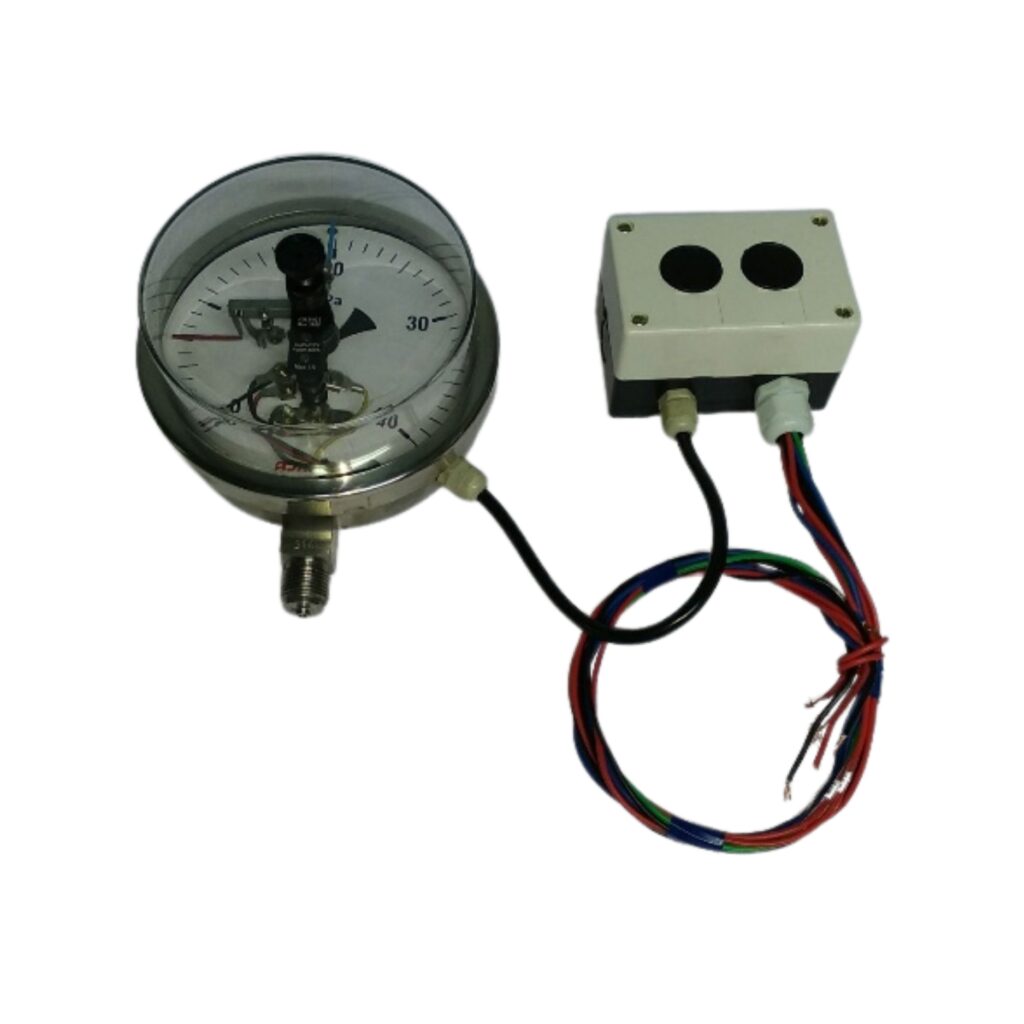
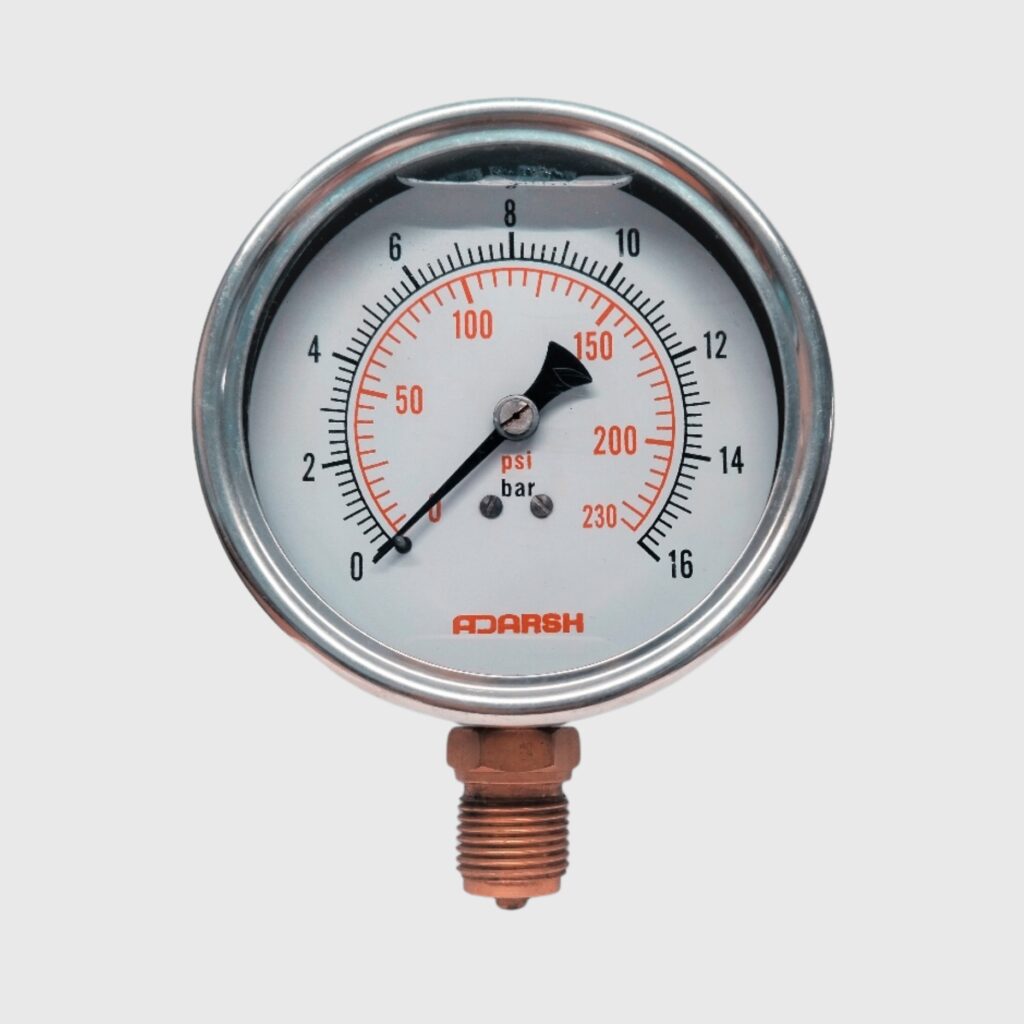
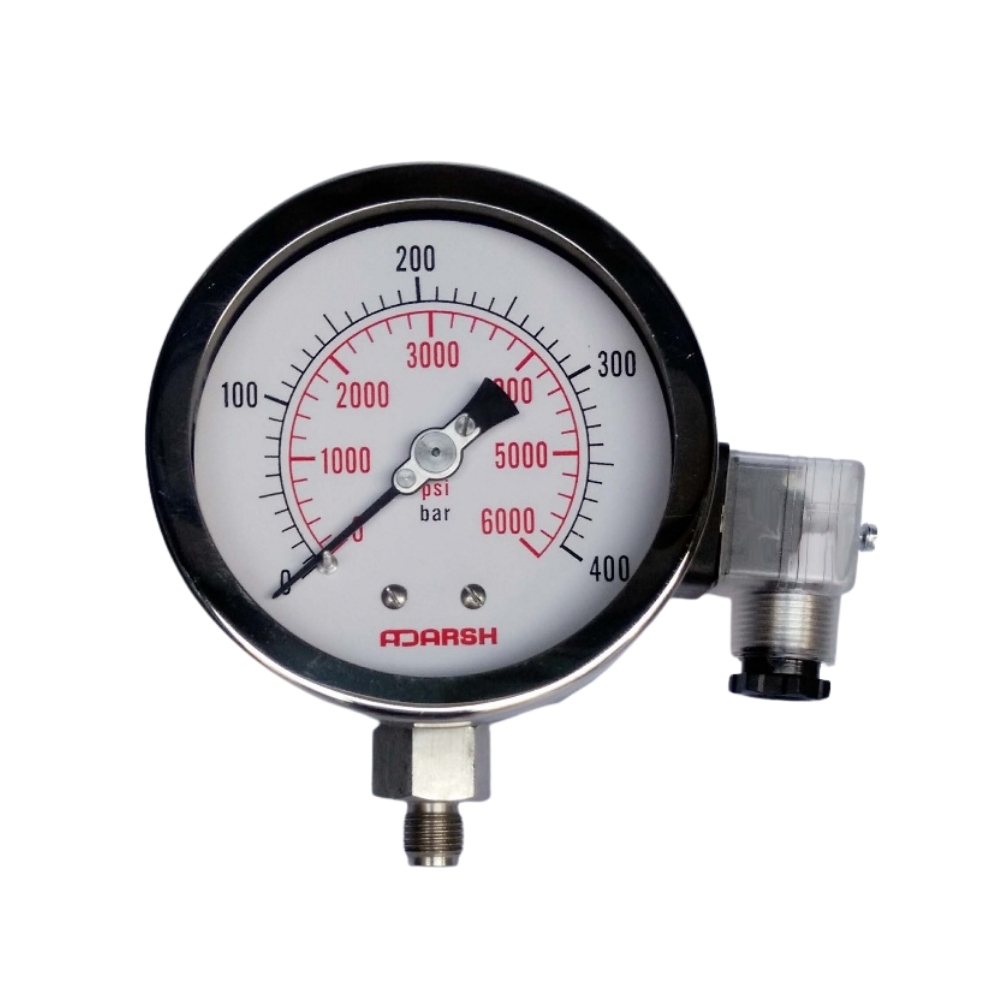
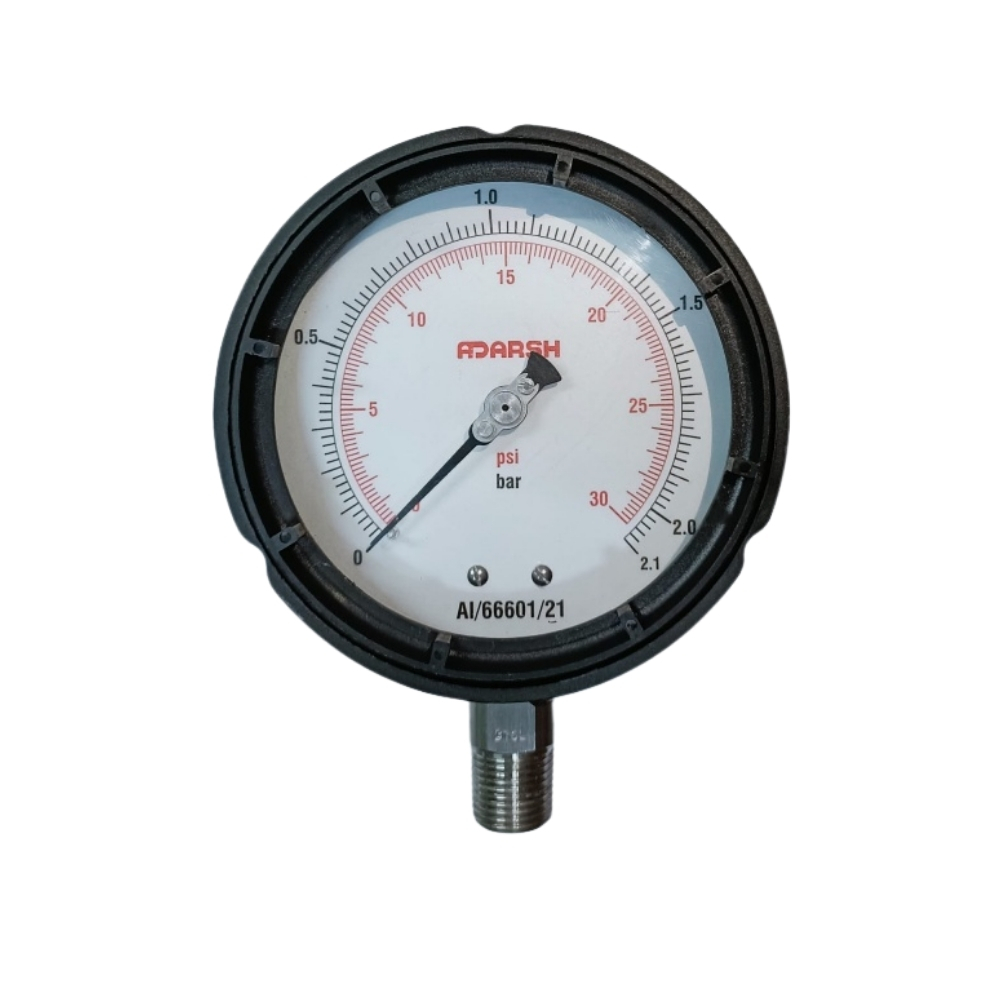
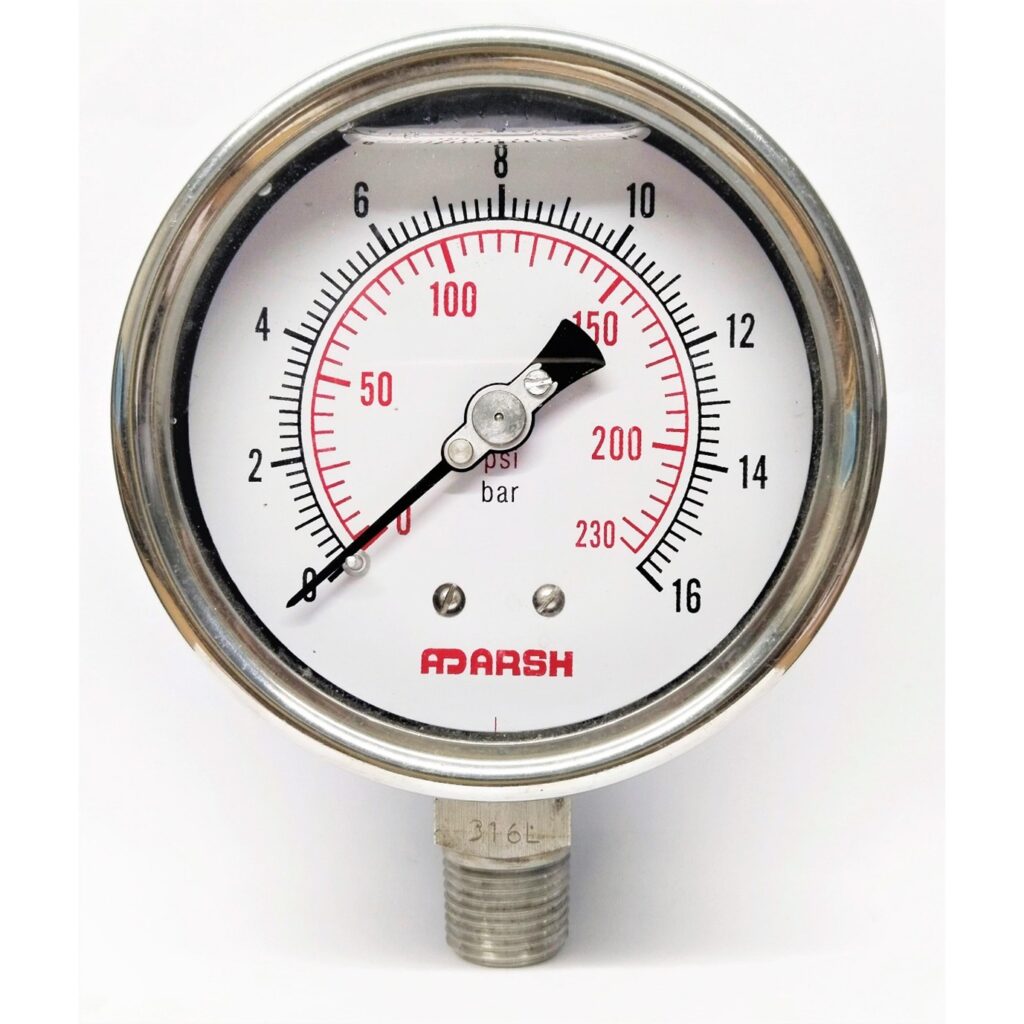
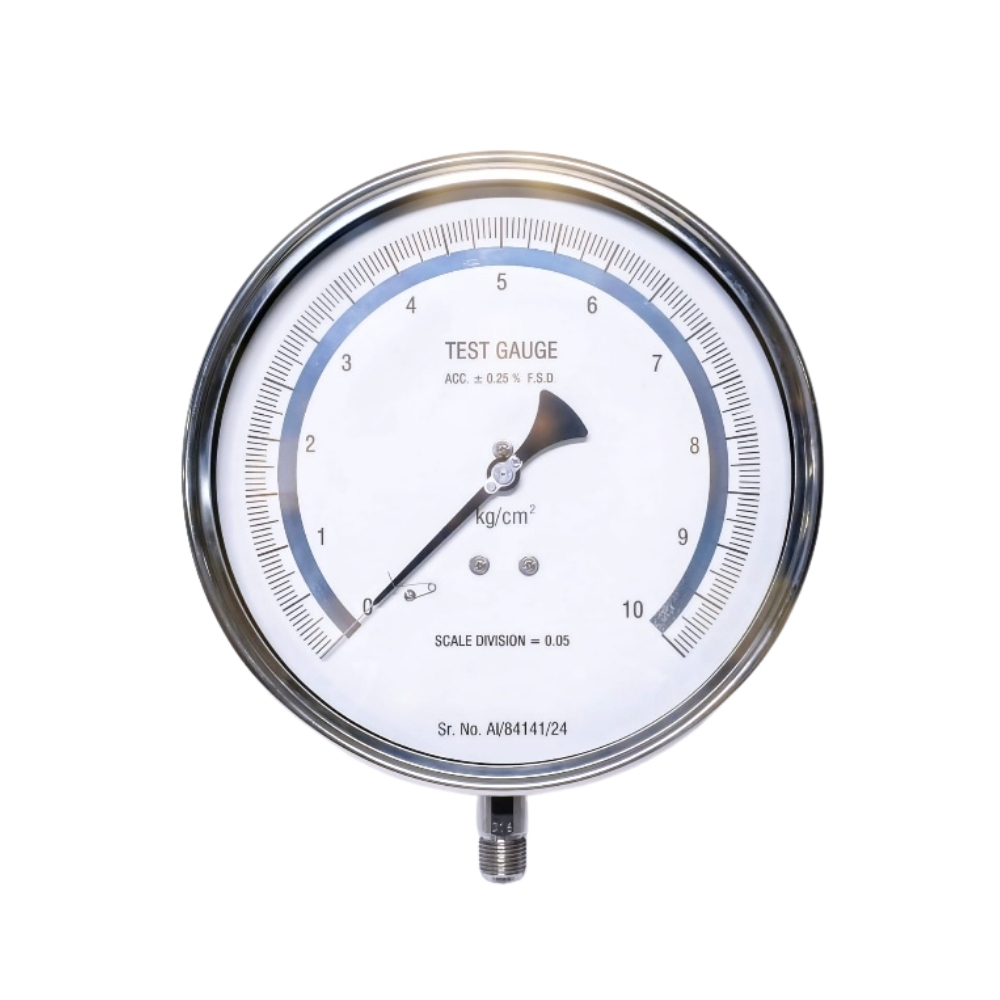
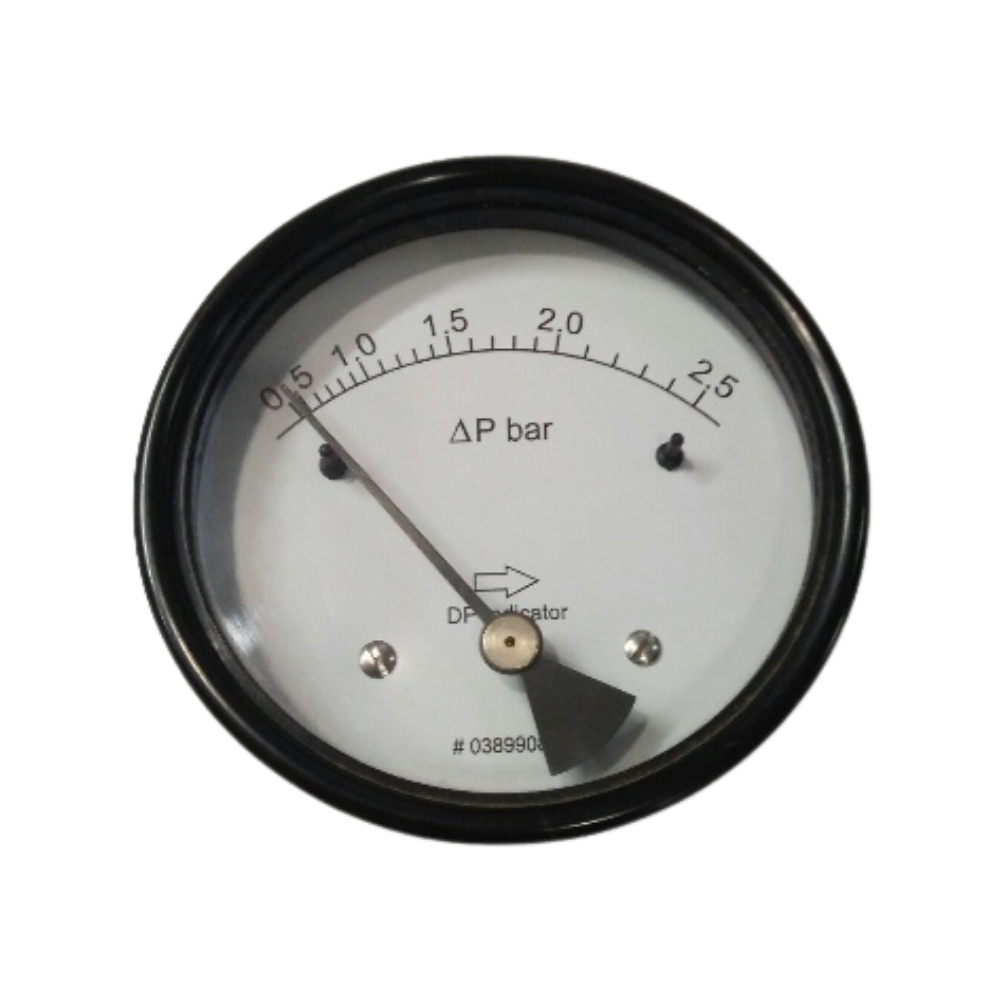
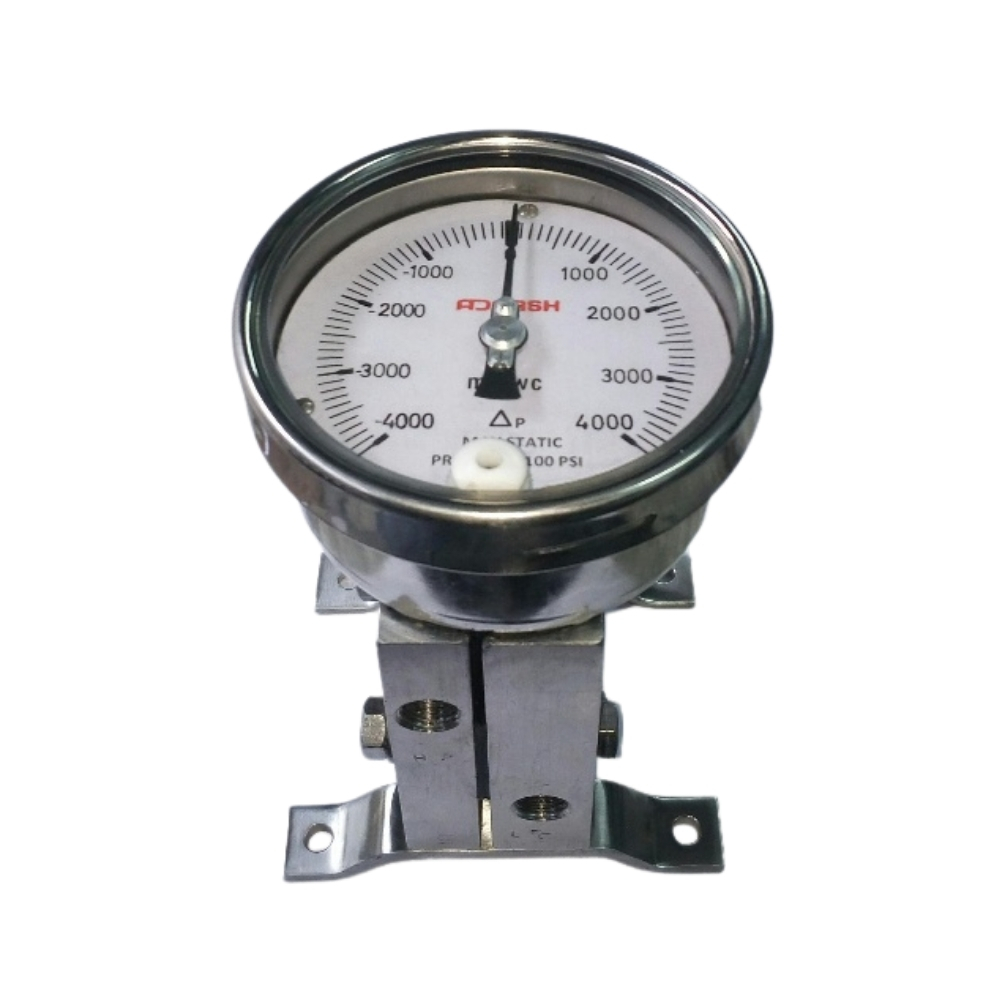
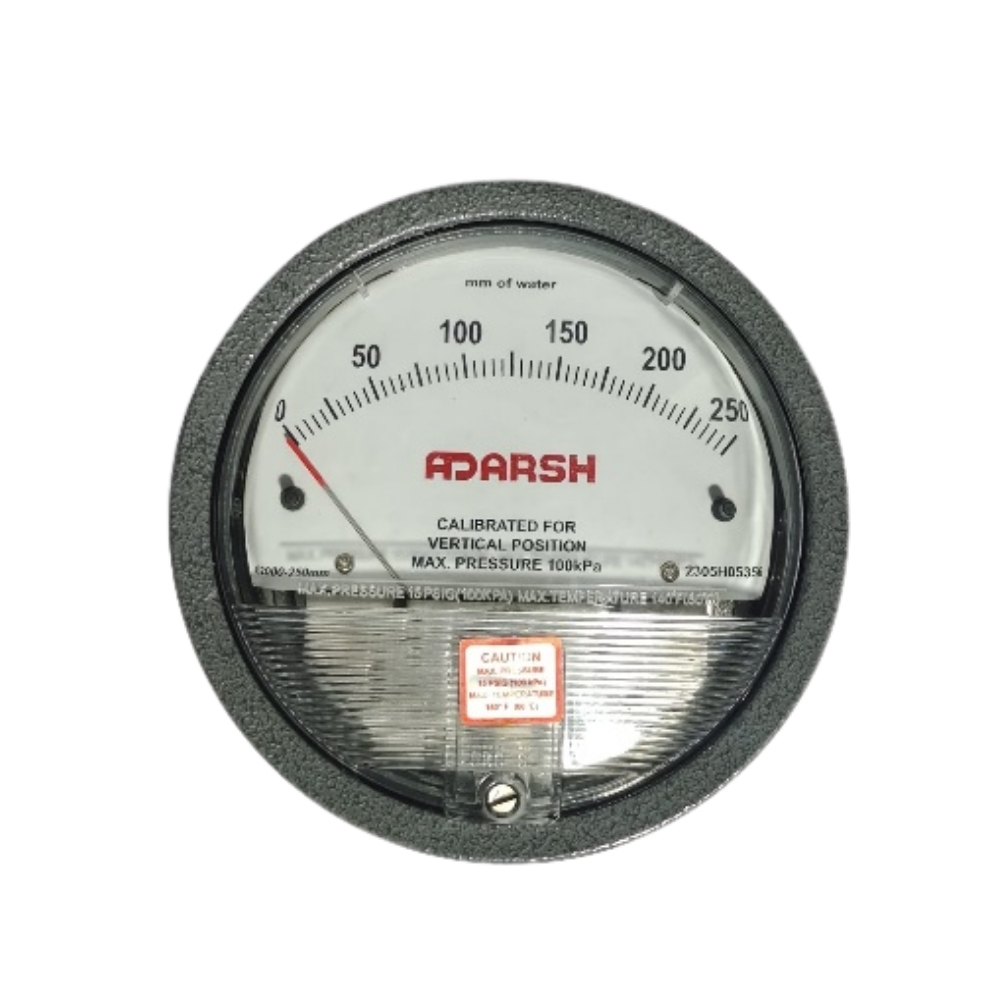
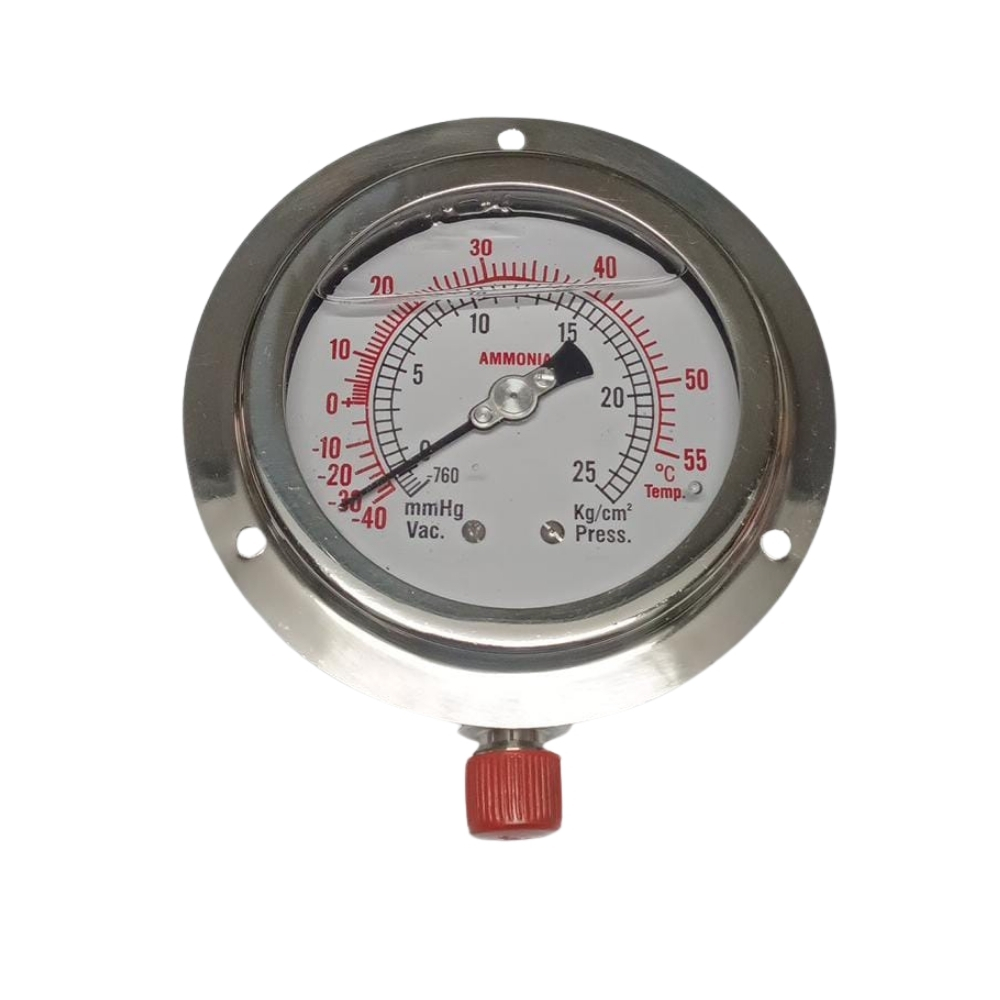
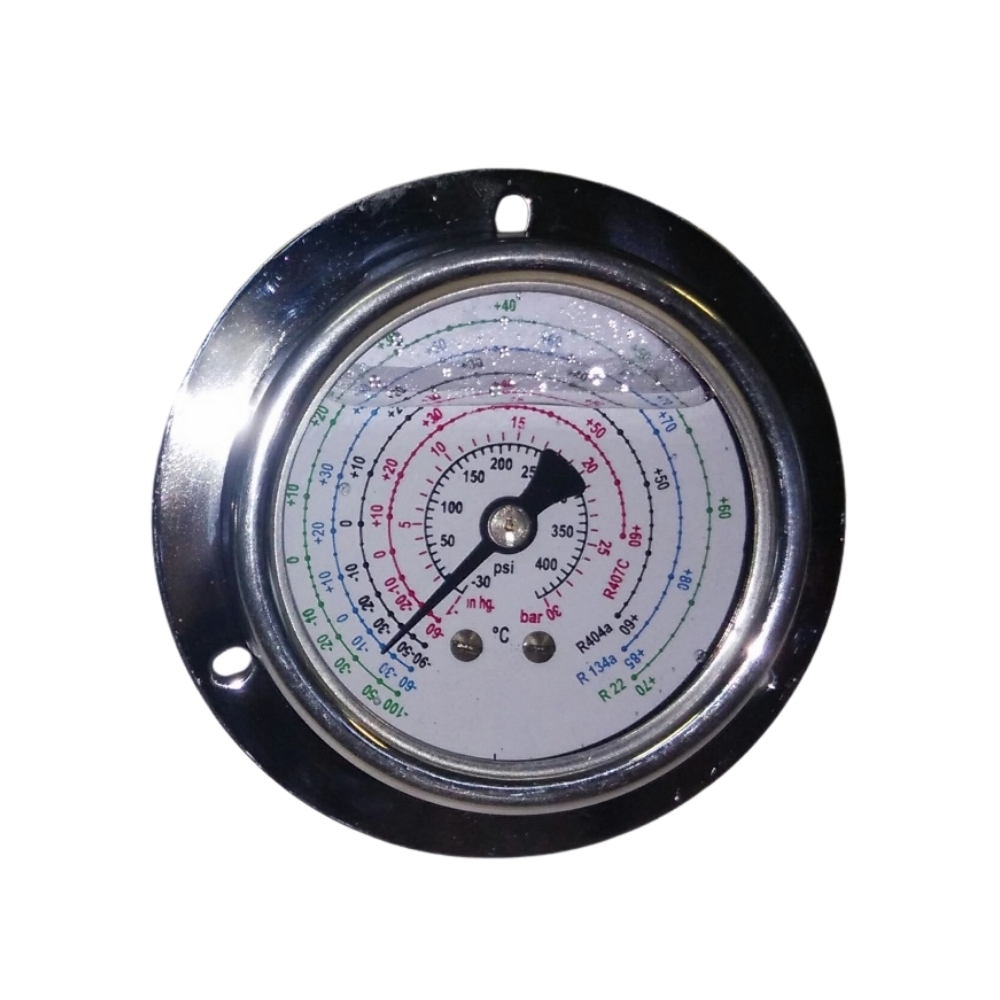
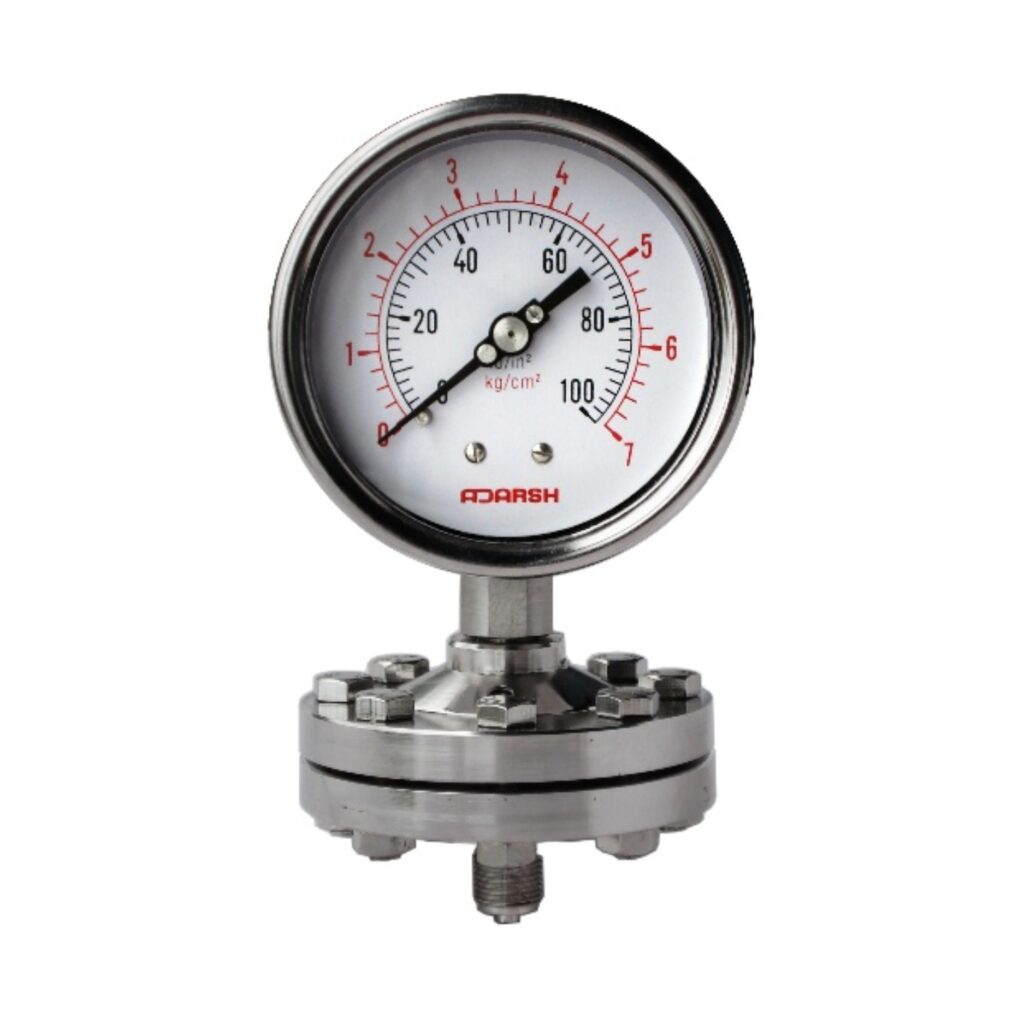
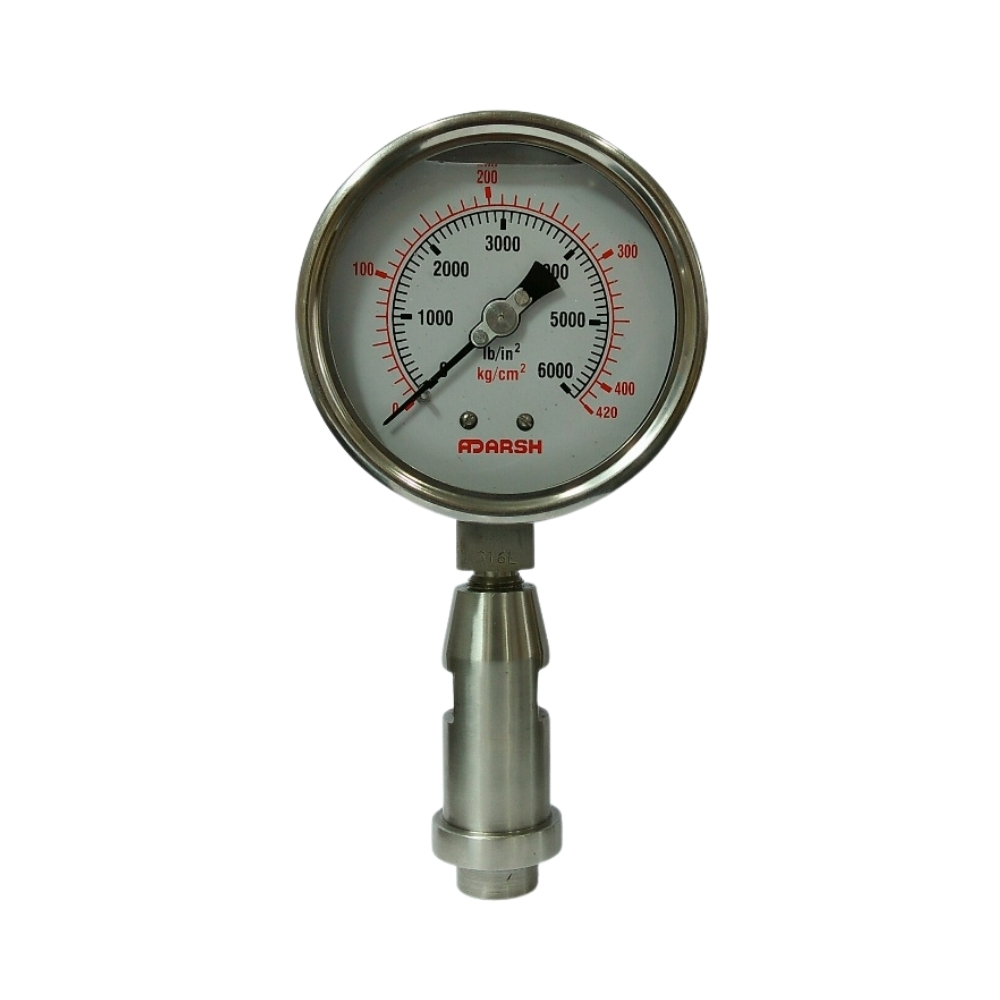
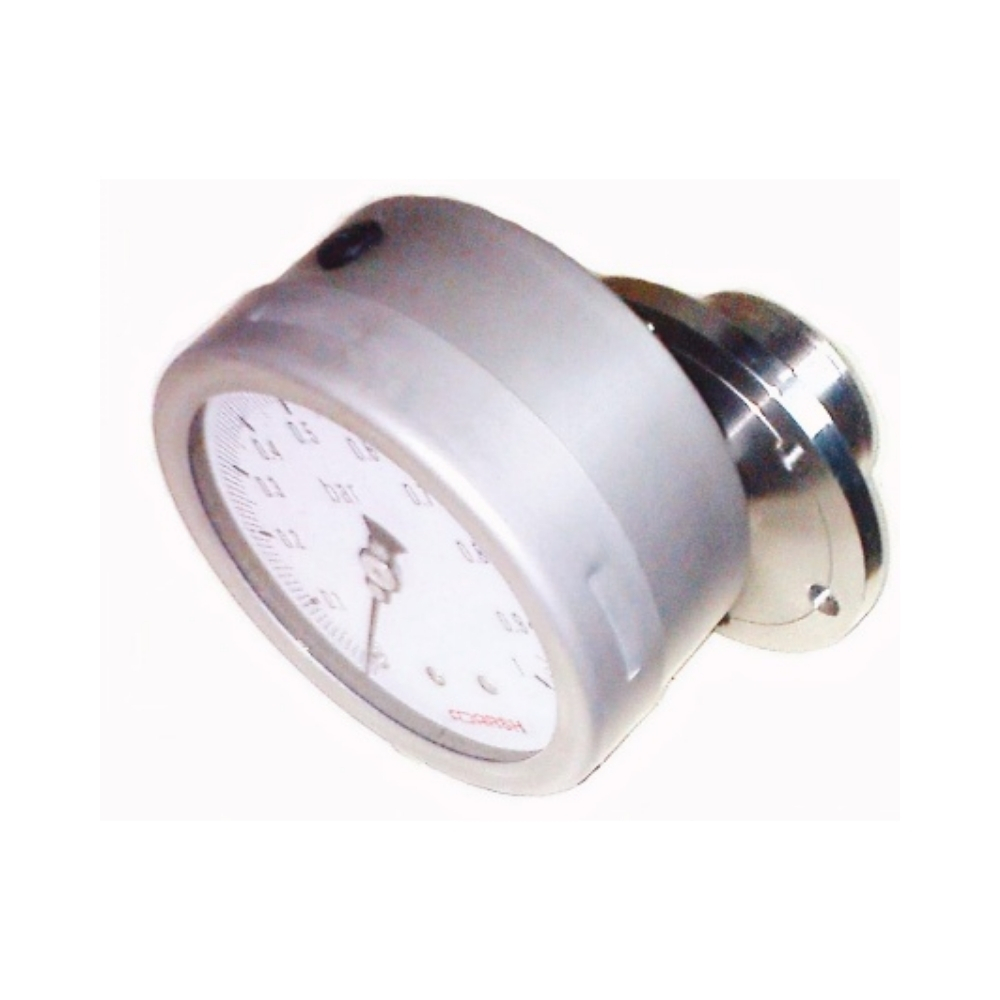
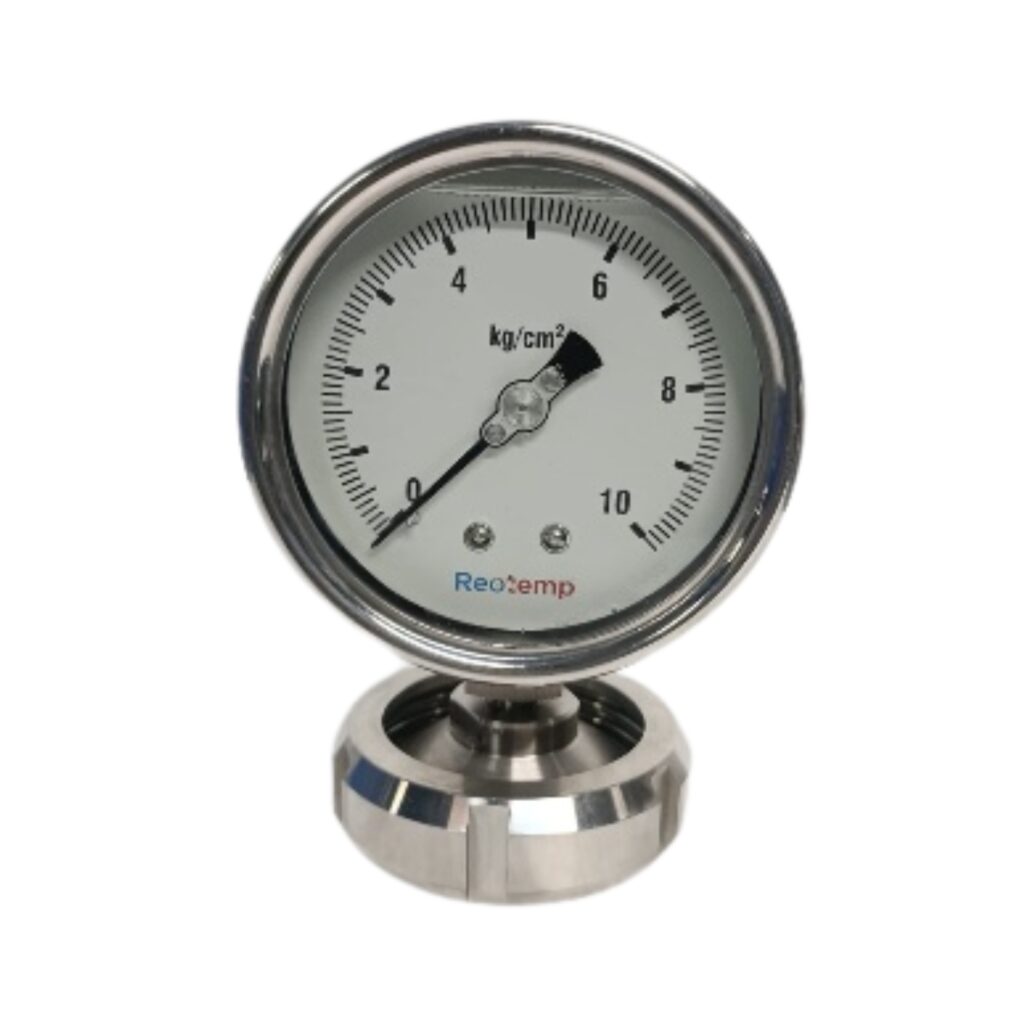
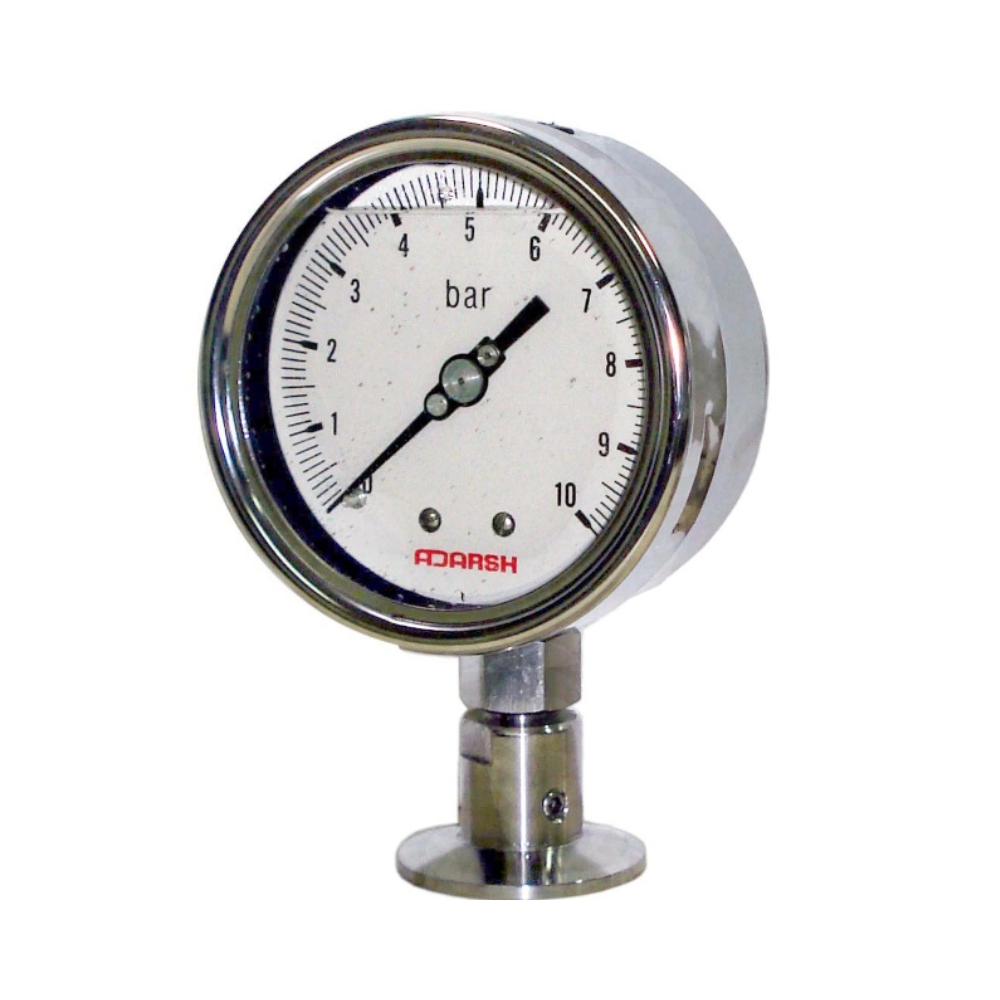
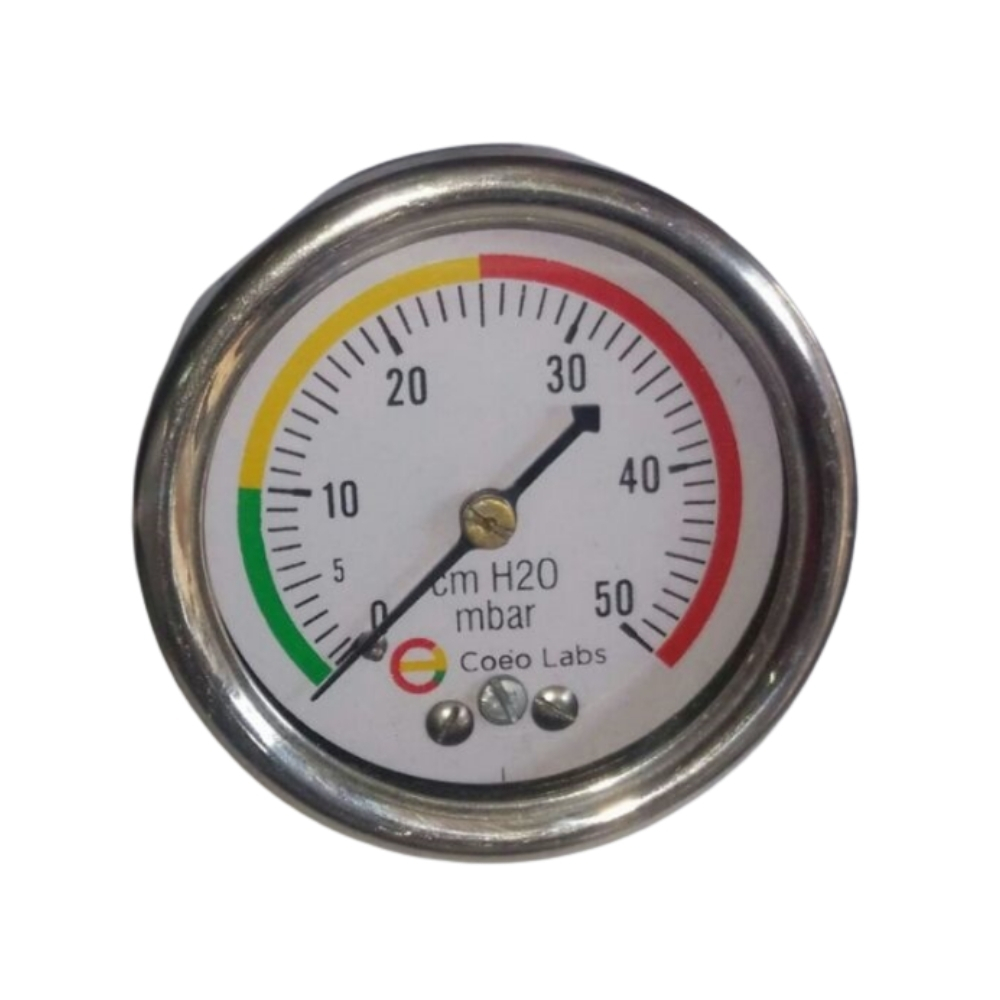
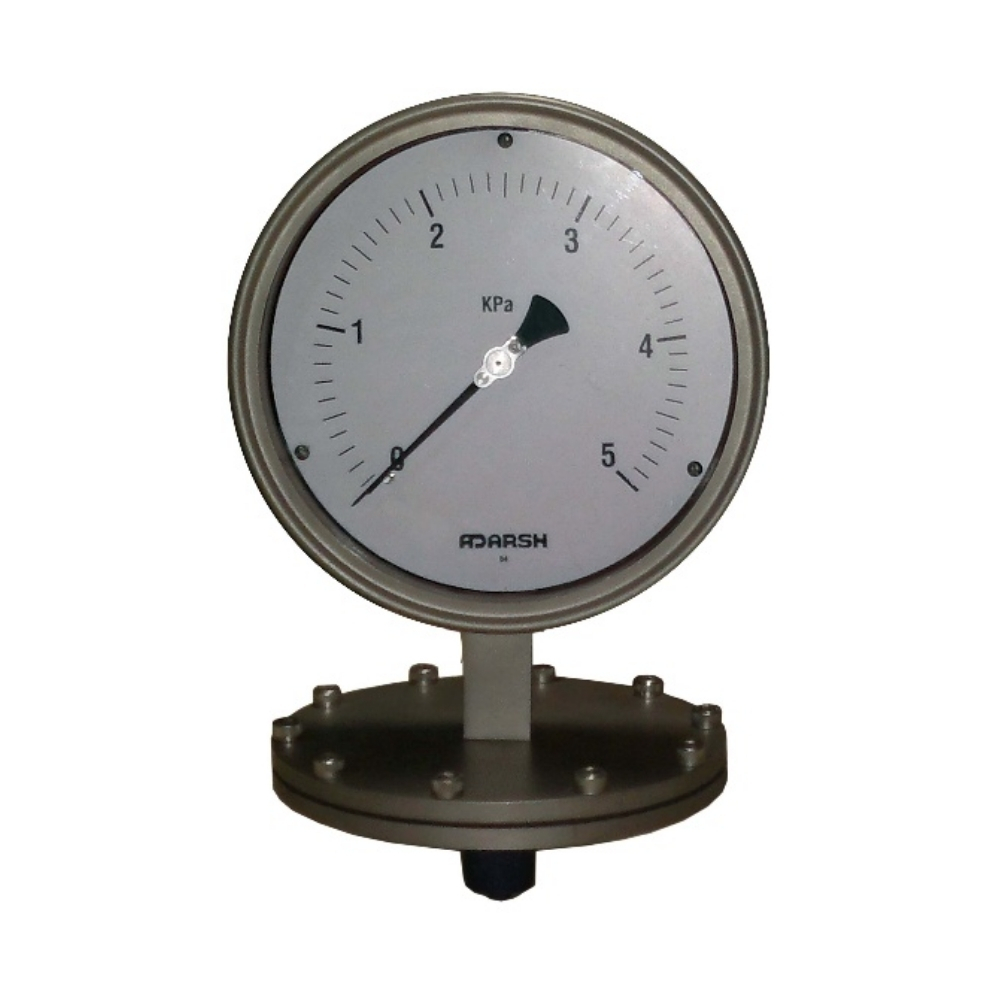
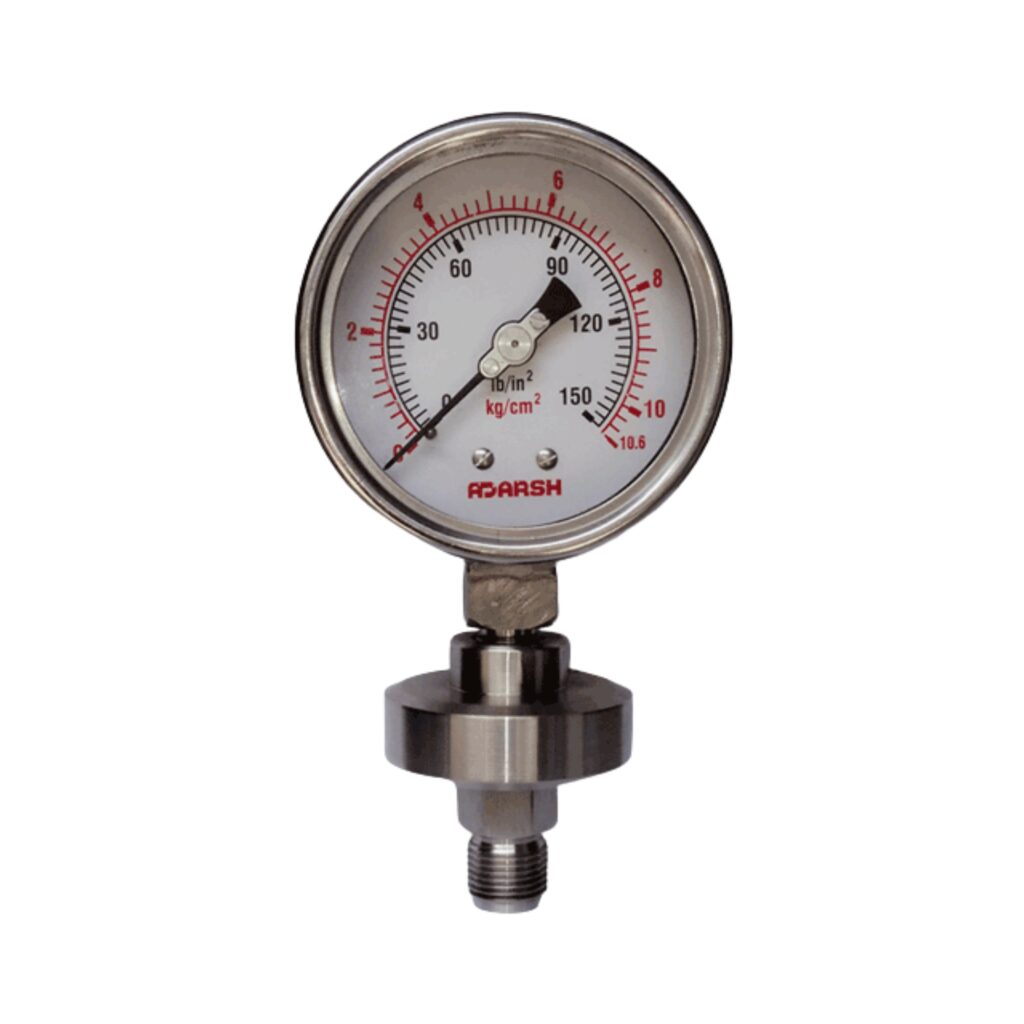
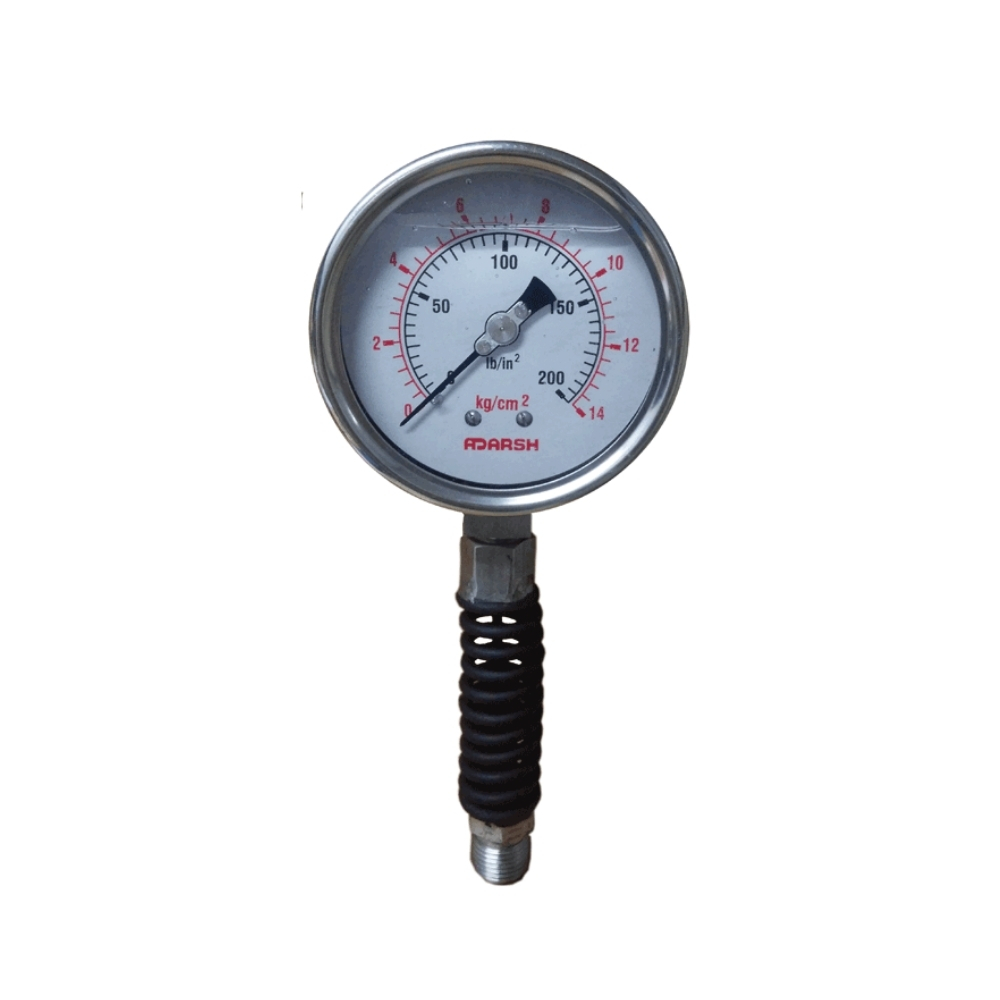
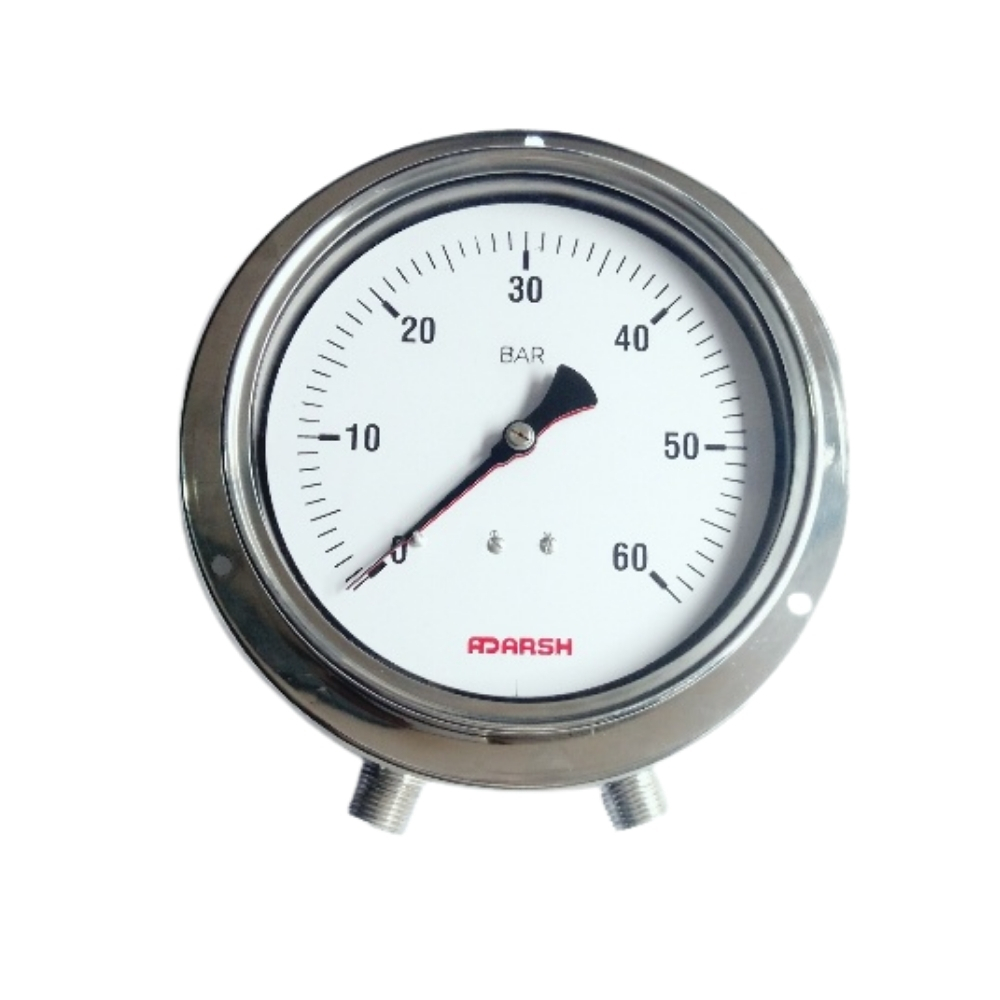
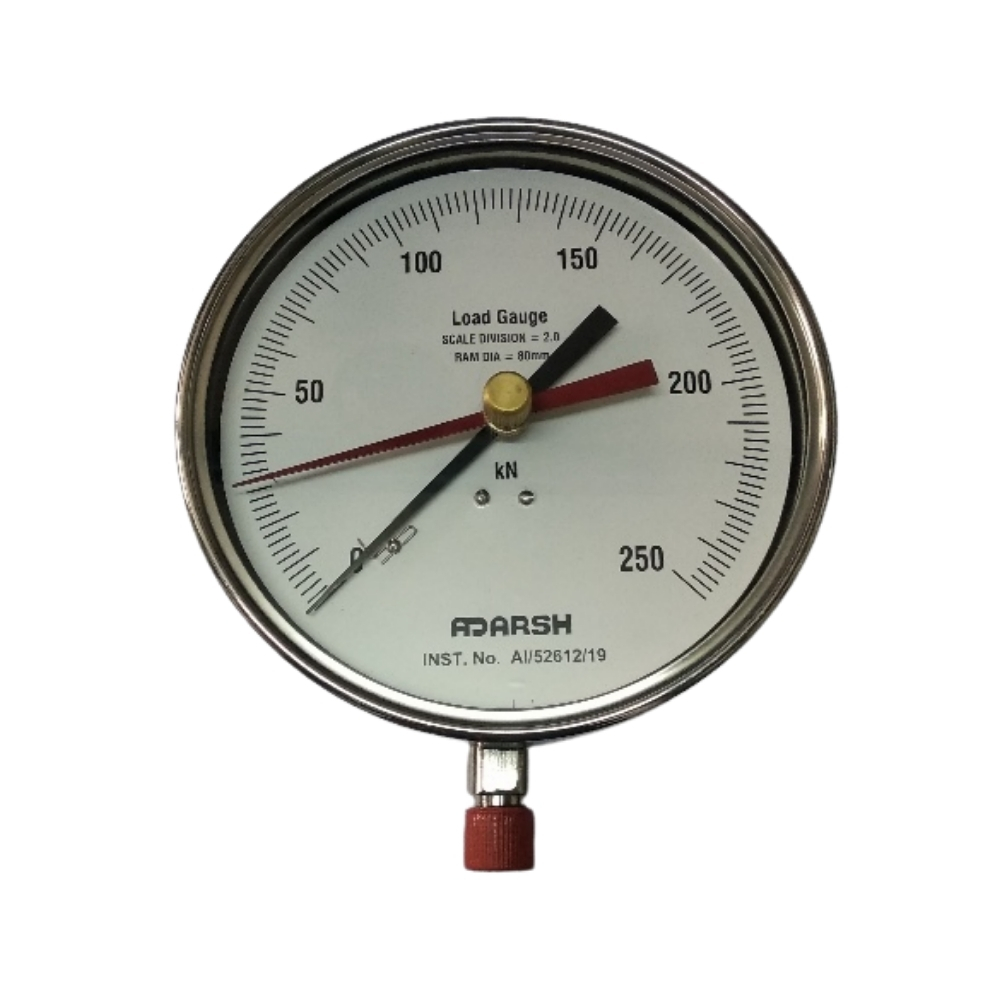
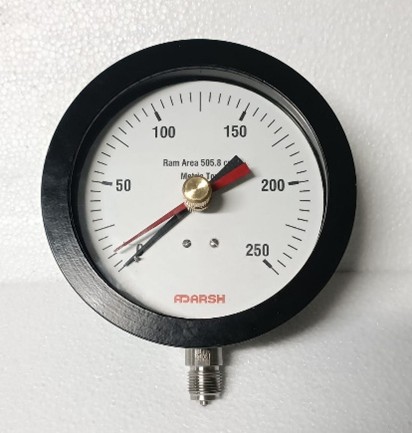
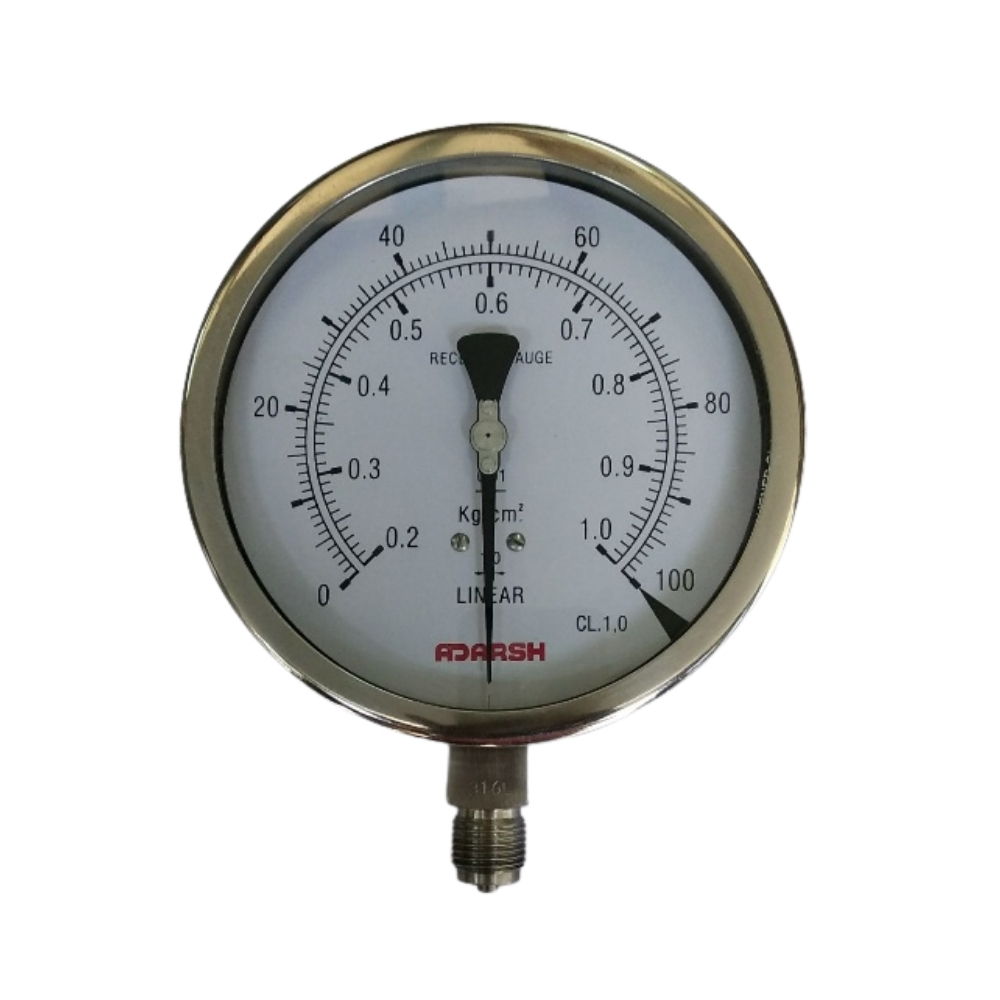
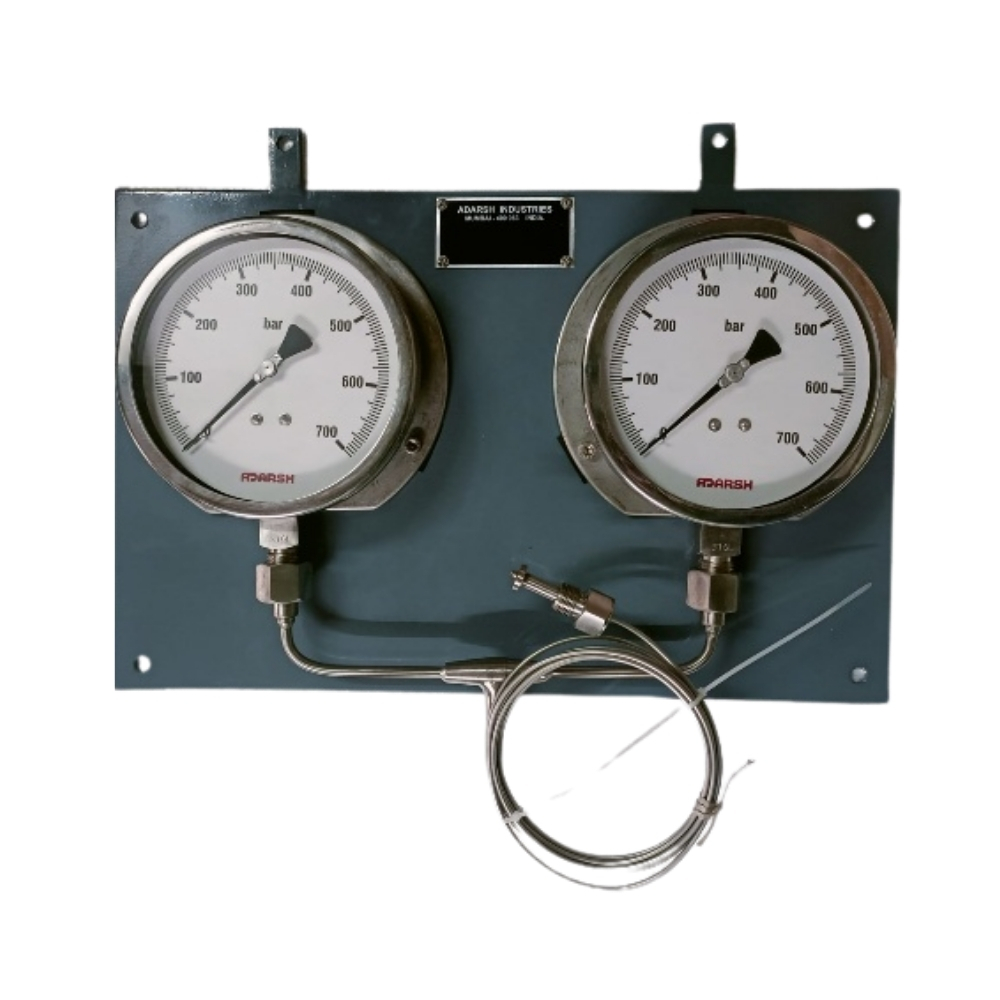
Not sure which pressure gauge suits your application? The quick guide below helps you select the most suitable pressure gauge based on your process conditions.
The required accuracy depends on the application. Critical industrial processes may require higher accuracy (such as ±1% or better), while general-purpose applications can operate with standard accuracy levels. Always consider operating pressure range and environmental conditions before selection.
Frequently Asked Questions
What is a Pressure Gauge and what is it used for?
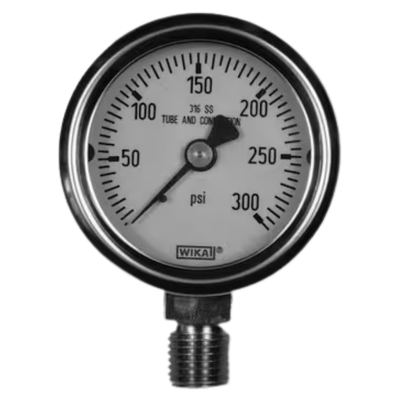
A pressure gauge is an instrument used to measure the pressure of gases or liquids within a system. It is widely used in industries such as Oil & Gas, Chemical, Pharmaceutical, Food Processing, and Refrigeration to ensure safe and accurate pressure monitoring.
When should a Stainless Steel Pressure Gauge be used?
A stainless steel pressure gauge is ideal for corrosive media and harsh environmental conditions. With SS316 wetted parts and an SS304 case, it provides excellent durability and corrosion resistance. It is commonly used in chemical, pharmaceutical, marine, and process industries.
What are the benefits of a Liquid-Filled Pressure Gauge?
Liquid-filled pressure gauges are suitable for applications with vibration and pressure pulsation. The liquid (typically glycerin) dampens needle movement, ensuring stable readings, improved accuracy, and extended service life of the gauge.
How do I select the right accuracy for a Pressure Gauge?
The required accuracy depends on the application. Critical industrial processes may require higher accuracy (such as ±1% or better), while general-purpose applications can operate with standard accuracy levels. Always consider operating pressure range and environmental conditions before selection.
How should a Pressure Gauge be maintained?
Regular inspection and periodic calibration are essential for maintaining accuracy. Avoid overpressure conditions, ensure proper installation, and check for signs of leakage or vibration damage. Replace or service the gauge if readings become inconsistent.
For reliable and precision-engineered Industrial Pressure & Temperature Instruments, contact Adarsh Industries today and let our experts assist you with the right solution.