

In industrial environments, even small measurement errors can lead to major operational issues. That’s why regular calibration of pressure and temperature instruments is essential. Calibrators help verify accuracy and ensure that instruments are performing within specified limits.
In this blog, we explain why calibration is important and how pressure and temperature calibrators support industrial efficiency.
Why Calibration Is Necessary
Over time, measuring instruments may lose accuracy due to wear, environmental conditions, or heavy usage. Calibration helps to:
- Maintain measurement accuracy
- Ensure compliance with industry standards
- Reduce process errors
- Improve product quality
- Enhance safety
Without regular calibration, inaccurate readings can lead to costly downtime and production losses.
What Are Pressure Calibrators?
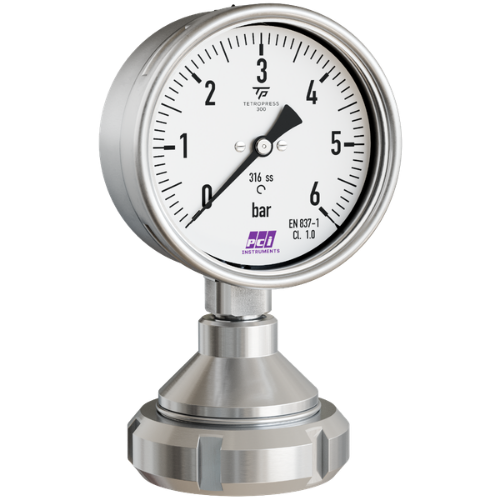
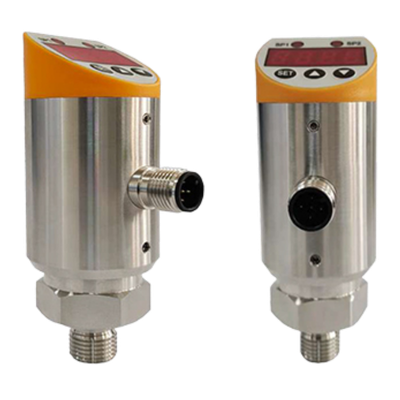
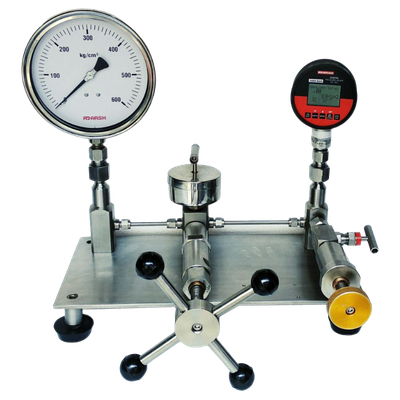
Pressure calibrators are devices used to test and verify the accuracy of pressure gauges, transmitters, and switches. They are commonly used in:
- Process industries
- Manufacturing plants
- Oil and gas systems
- OEM production testing
High-precision pressure calibrators provide stable and repeatable results for accurate validation.
What Are Temperature Calibrators?
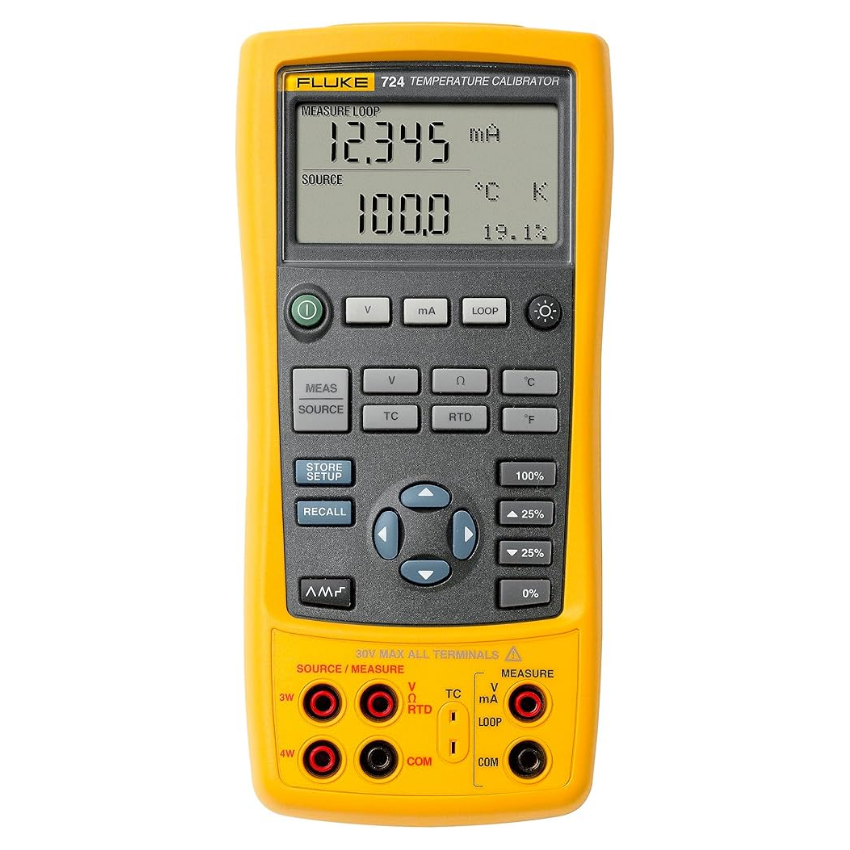
Temperature calibrators are used to check and validate temperature sensors and gauges. They ensure that temperature measurement devices deliver correct readings during operation.
These are widely used in:
- Food and pharma industries
- Laboratories
- Industrial process control
- Refrigeration systems
How Often Should Instruments Be Calibrated?
Calibration frequency depends on:
- Type of industry
- Critical nature of the process
- Usage frequency
- Regulatory requirements
For high-precision industries, periodic calibration is strongly recommended.
Final Words
Pressure and temperature calibrators are essential tools for maintaining industrial accuracy and reliability. Regular calibration not only improves process performance but also ensures long-term safety and compliance with quality standards.